The Book of William, 2026 · The Honeycomb Tree Project
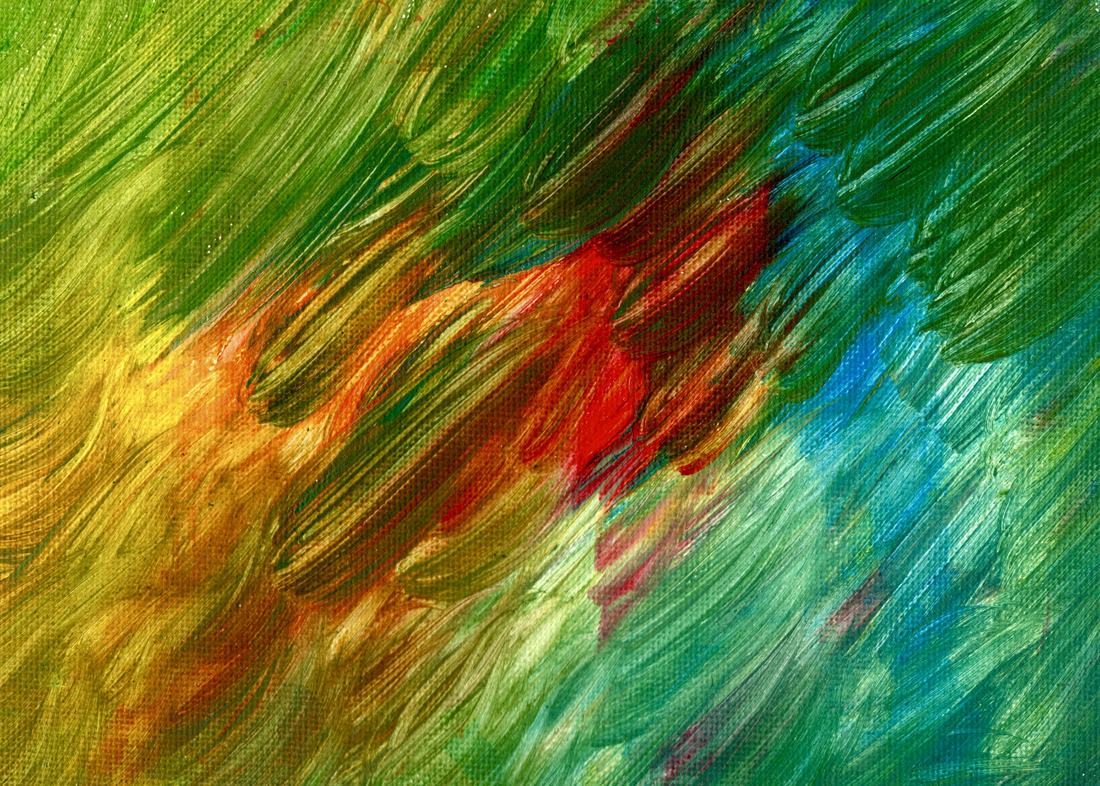
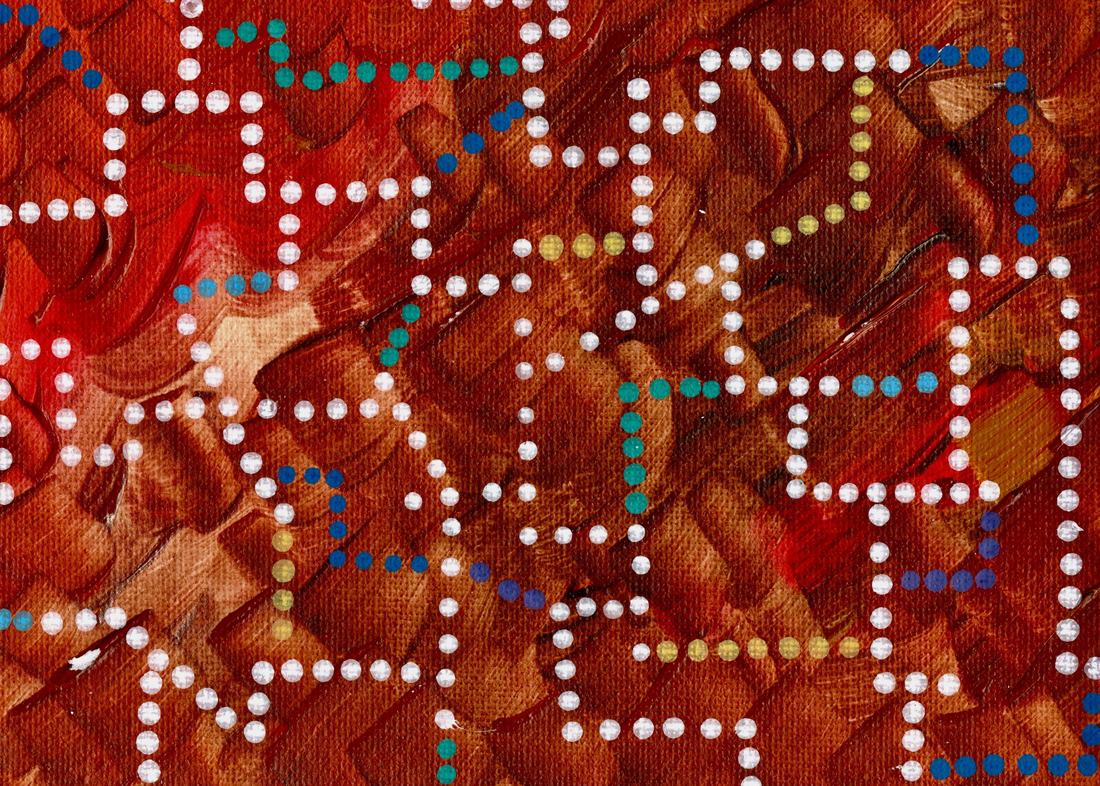
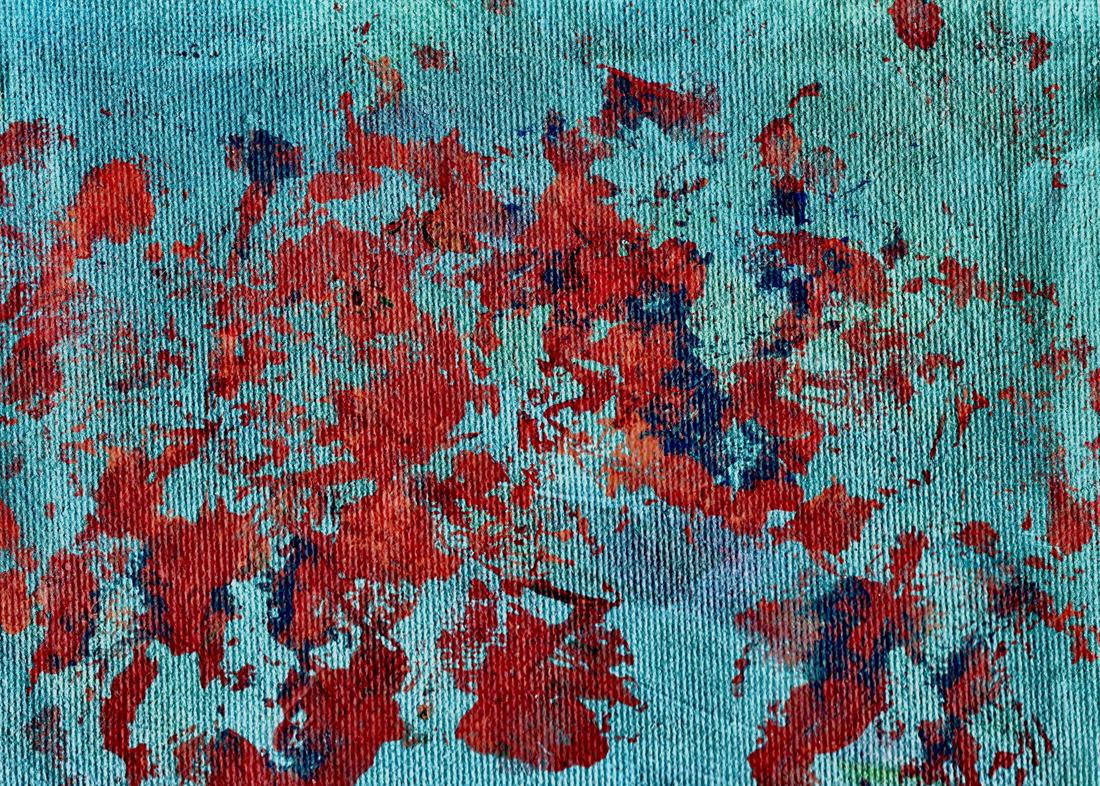
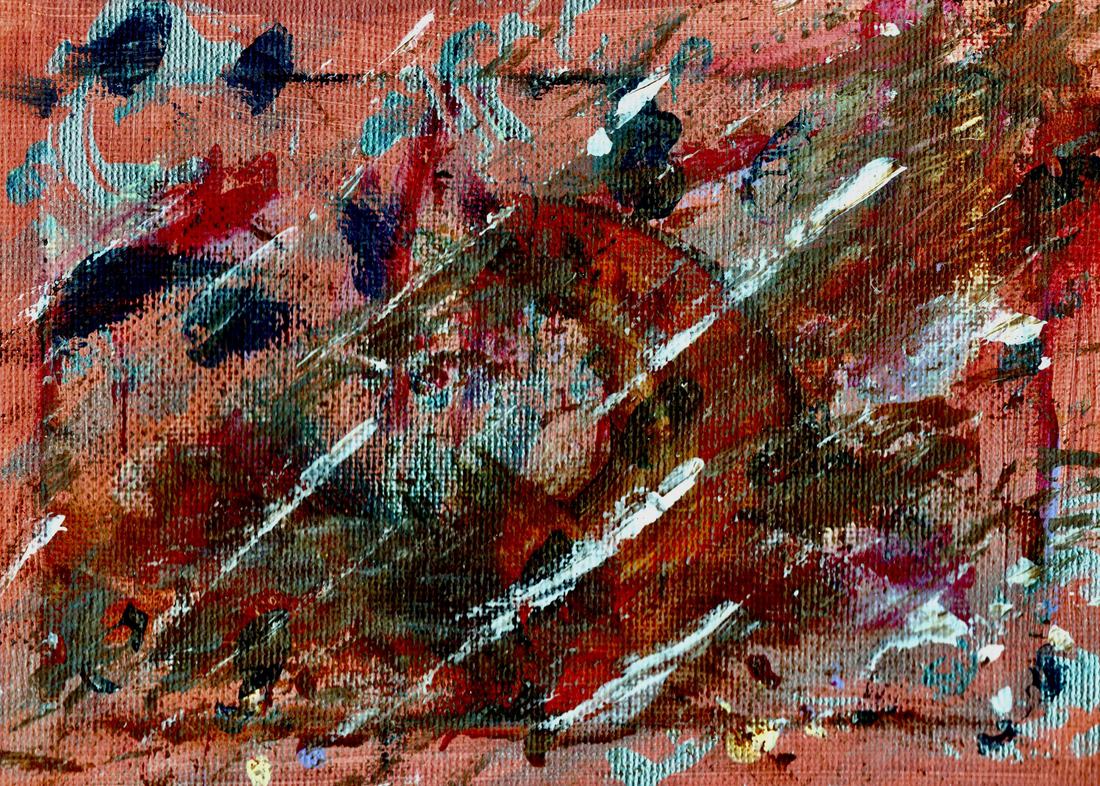
The ten paintings
Tap a painting to see it larger.
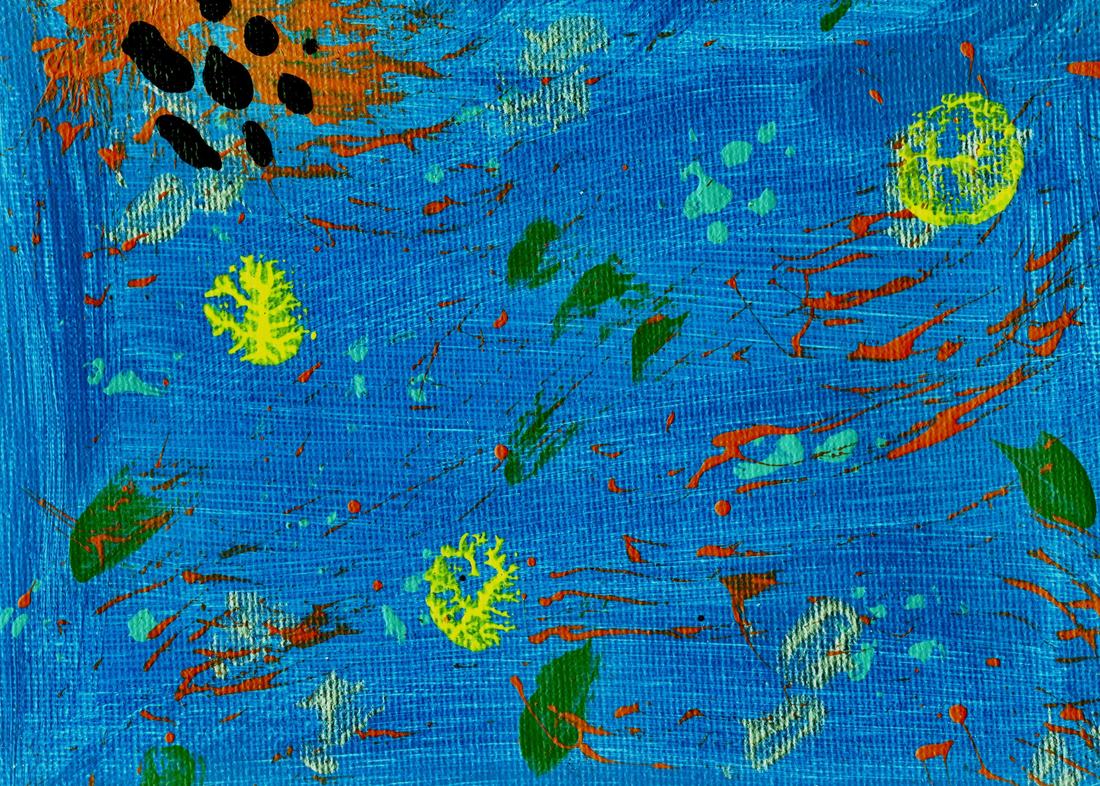
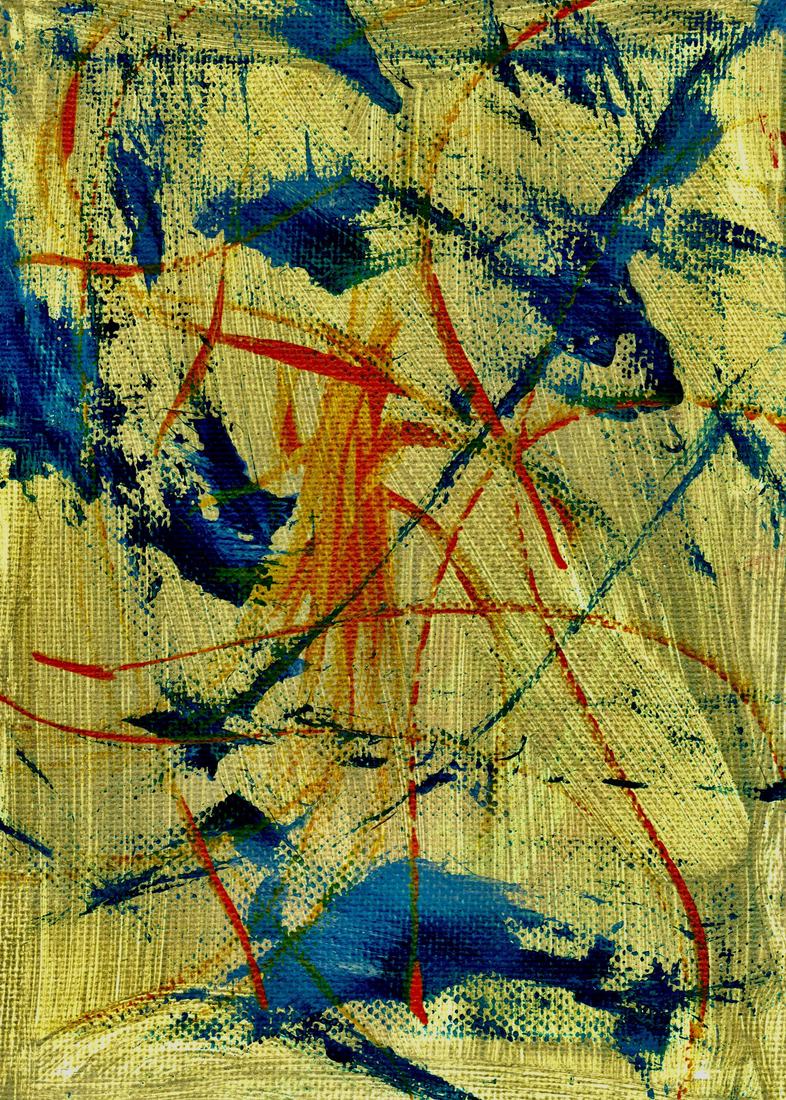
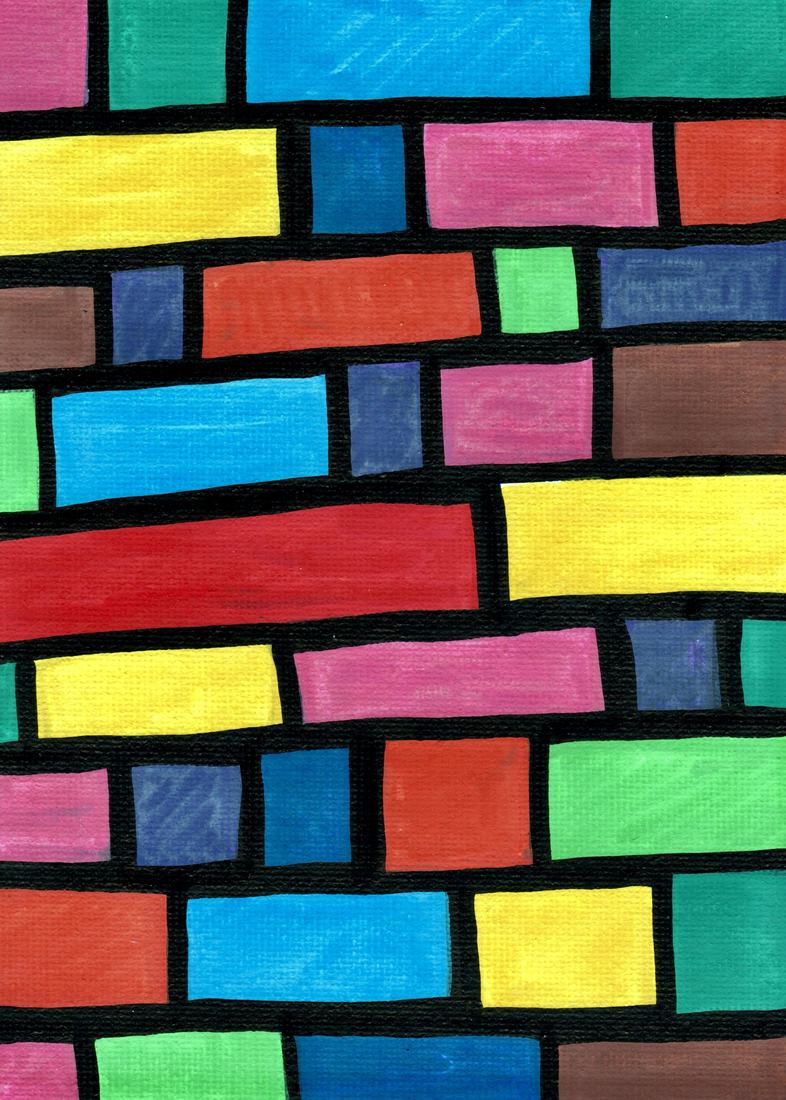
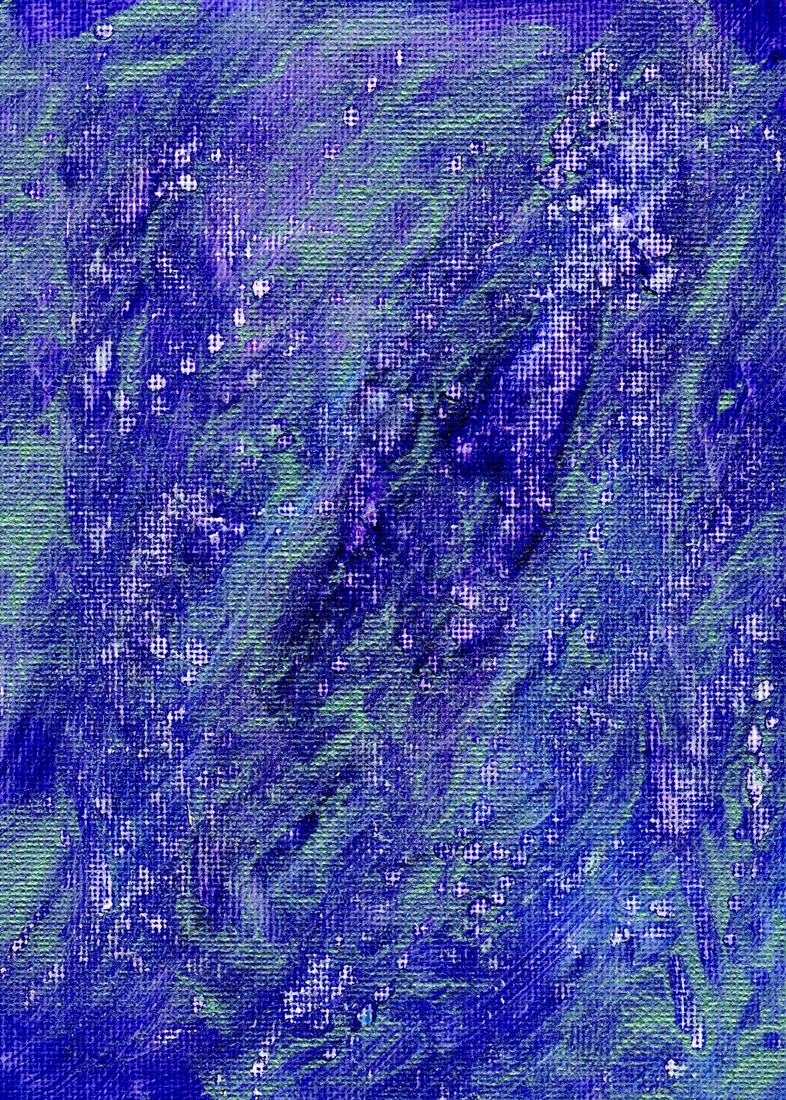
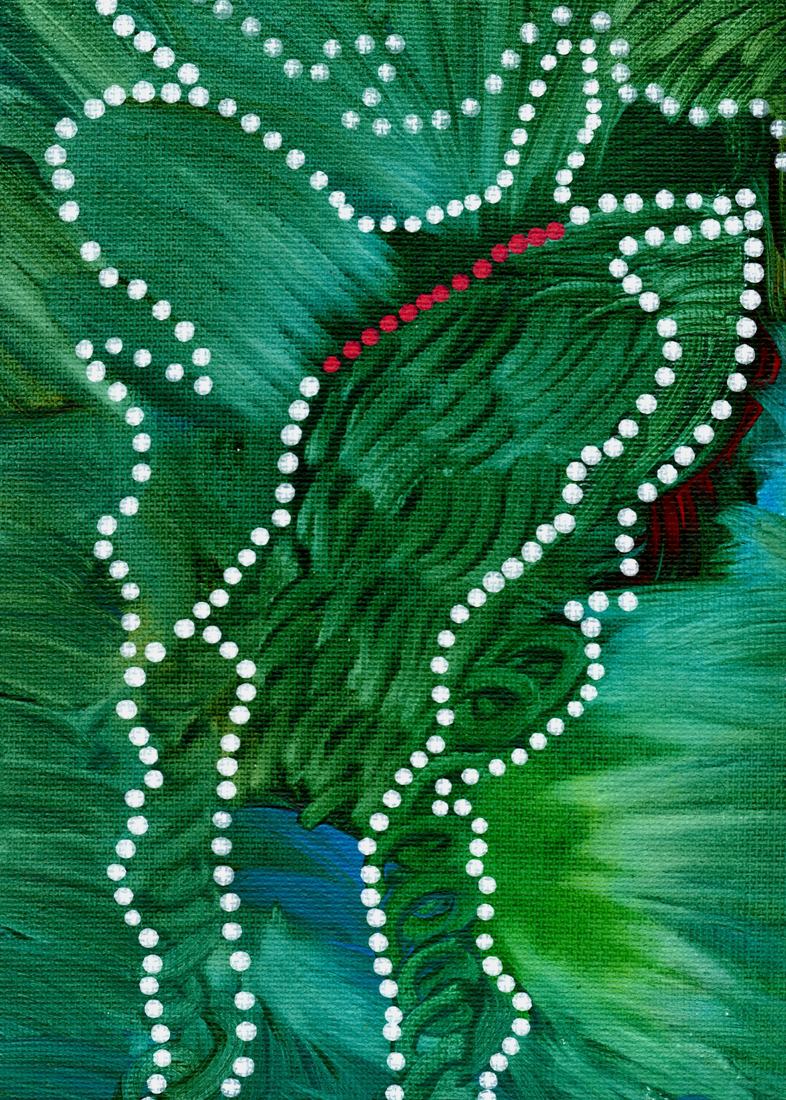
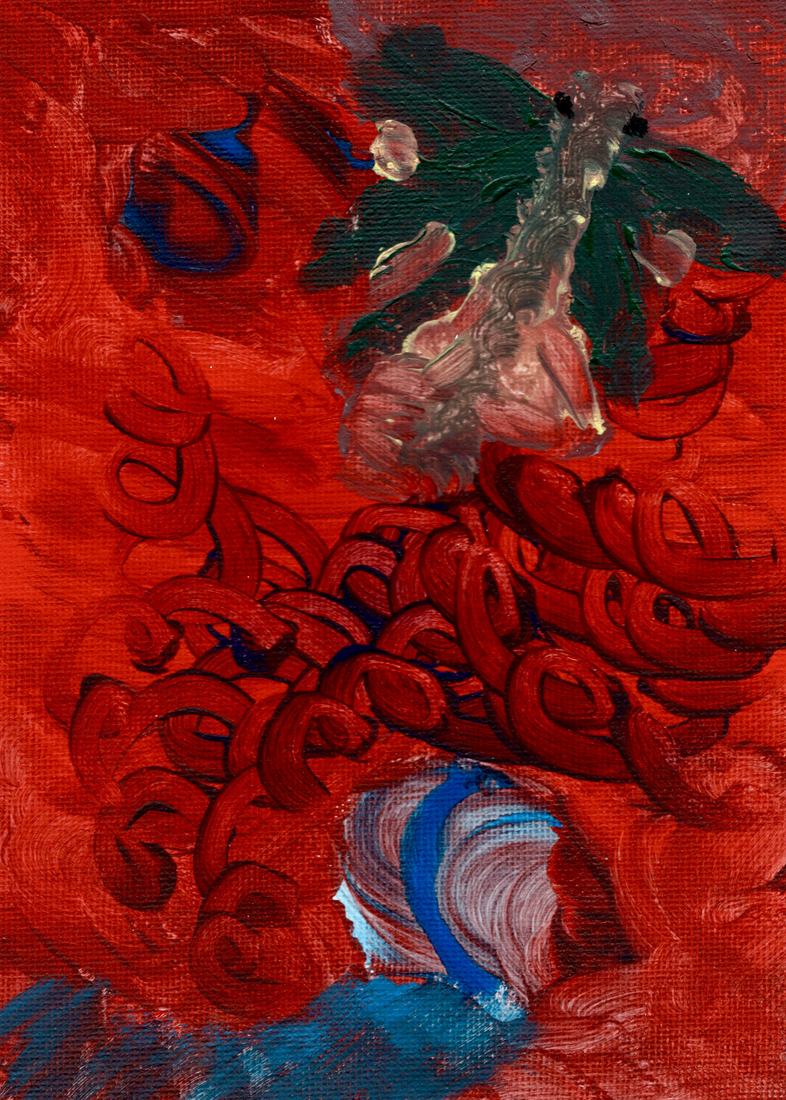
Weigh StationExperience WindowThe DanceTelescope RainProfile 3/5pédale de la lune de cuivreThe Dial of ZenoCryptocoryneBritannia WingThe Book of William
About the project
What is a Honeycomb Tree?
It’s a structure born out of a dream landscape. In it, I saw what looked like a coniferous tree that expanded with an unfamiliar kind of light—a geometric, repeating blueprint of energy. “Honeycomb” was the only word that felt right to describe that natural, interconnected matrix.
When I later found a physical Hoberman sphere, its ability to expand and collapse perfectly matched the rhythm of that tree. It became the coordinate point where my painting met my writing. I followed it up with a poem exploring those intersecting lines.
Longitude
Its witness is asked to close all eyes. The roots grow down into the waters of Kanas Lake.
Its tallest branch mimics the sky of an Eiffel Tower. The expansion power can be seen through a Hoberman sphere.
From all angles, Paris can collapse and fold as if it were a picnic table.
This is the honeycomb tree.
Who made these
Sascha Roae
Poet & Systems Thinker
I read organizations the way I read a poem — for the structure beneath the surface, and the gap between what’s said and what’s true.